Septic Installation, Drain Cleaning, and Sewer Cleaning Explained: Which Providers Do You Actually Need?
@charlieuqgq779
Business Name: Royal Flush Environmental Services
Address: 2640 State Hwy 99 N, Eugene, OR 97402
Phone: (541) 687-6764
Royal Flush Environmental Services
Royal Flush Environmental Services is a plumbing company offering a full range of septic system services, including cleaning, installation, and repairs. Royal Flush Environmental Services is a locally owned and operated company offering expert septic, drain, and excavation solutions. Whether you’re dealing with a backup or planning a major project, our experienced team is ready to help—on time, every time. Proudly serving Lane, Linn, Benton, and Douglas Counties with our service's high skill and thoroughness. No job is too big or small for our highly skilled team.
2640 State Hwy 99 N, Eugene, OR 97402
Business Hours
Plumbing issues around waste and wastewater have a way of getting your attention. Sluggish drains, weird smells, gurgling toilets, wet spots in the backyard, a backup in the basement floor drain: they all feel urgent, yet they do not all indicate the exact same solution. Requiring drain cleaning when you truly need sewer cleaning, or scheduling septic pumping when the problem is really a broken pipe, lose time and cash and often makes the damage worse.
The difficulty is that 3 really various systems often get lumped together in casual conversation. Individuals discuss the "septic" when they are on a city sewer, or request for "sewer cleaning" when they only need a sink line cleared. On top of that, the majority of the important parts are buried in walls or underground, so you never see the system working up until something goes wrong.
What follows is a useful breakdown from the point of view of someone who has actually spent several years in the field crawling under homes, opening tanks, and standing ankle deep in water that absolutely did not originate from a garden pipe. The goal is basic: assist you comprehend what you have, what can fail, and which service is likely to solve it.
How home wastewater systems are in fact laid out
Before discussing drain cleaning, sewer cleaning, or septic installation, it assists to visualize how wastewater moves from a faucet or toilet to any place it eventually ends up.
Inside the building, every sink, tub, shower, and toilet links to branch drain lines. Those smaller sized pipelines sign up with a larger main drain, in some cases called the main stack or building drain. The structure drain travels through the foundation and ends up being the structure sewer, which runs underground to either a community sewer main or a personal septic system.
That simple description conceals a fair amount of intricacy. The internal drains are sized in a different way, they depend on vent pipes through the roofing system to preserve air pressure, and they must slope properly to let gravity do the work. Outdoors, the structure sewer or septic parts sit at different depths depending upon climate, soil type, code requirements, and the elevation of the city primary or drain field.
Three key ideas matter for choosing the right service:
First, internal drains and the main building sewer are not the same thing. Clearing a kitchen area sink line is really different from cleaning a 4 inch sewer lateral buried in the yard.
Second, city sewer and septic are mutually special at a single structure. You are either linked to a community sewer system or you have some sort of on site treatment, typically a septic tank and drain field. There are unusual hybrid or shared systems, however a normal house will have just one of these arrangements.
Third, numerous symptoms overlap. A sluggish toilet can imply a stopped up toilet trap, a root blocked structure sewer, or a septic drain field that has totally stopped working. Arranging that out is the genuine value of an excellent plumbing or septic professional.
Drain cleaning, sewer cleaning, and septic services in plain language
Definitions differ by business, yet in practice professionals normally use these terms in a constant way.
Drain cleaning usually means cleaning interior branch lines: sinks, tubs, showers, laundry drains, and sometimes the main inside the structure. It focuses on clogs from grease, hair, food debris, soap residue, lint, or foreign items. The tools are smaller diameter cables, hand or little power snakes, and often small size high pressure water jets. Gain access to is generally at cleanouts, traps, or removable fixtures.
Sewer cleaning refers to cleaning the building sewer line that ranges from the structure out to the local main in the street or alley. This pipeline is bigger, normally 3 to 6 inches in diameter, and blockages frequently originate from tree roots, pipeline scale, collapsed areas, or built up solids that have settled in a drooping or misgraded line. Technicians utilize heavier devices, longer cable television devices, cutters created to chew roots, and bigger jetting rigs. Access is at an outside cleanout, through a pulled toilet, or in some cases from a basement flooring cleanout.
Septic services are a separate category. Septic pumping, septic installation, and septic repair all handle on site wastewater treatment systems, not city sewer connections. Pumping involves vacuum trucks that get rid of accumulated solids from the sewage-disposal tank. Installation covers the style and building and construction of a brand-new tank, circulation box, and drain field, or a replacement of a failed system. Septic repair focuses on parts that have failed or deteriorated, such as broken baffles, settled distribution boxes, jeopardized drain lines, or pumps and alarms in more advanced systems.
When a dispatcher responds to the phone, the first thing they silently try to determine is which category you fall into. A professional who invests their days on septic tanks will bring a various truck, different tools, and typically a various license than somebody who invests their days cleaning kitchen area lines in apartment buildings.
How to figure out which system you in fact have
Many house owners are not totally sure whether they are on city sewer or a septic system, specifically if they bought the residential or commercial property from someone else or live in a semi rural area where both are present.
There are some practical clues.
If you pay a sewer costs to the city or an utility district each month or every quarter, you are probably on municipal sewer. The bill may be line itemed with water and trash, but sewer will appear somewhere.
If you do not pay sewer charges, you probably have a septic system. Another idea is the existence of sewage-disposal tank covers or risers in the yard, usually concrete or plastic circles or rectangular shapes, in some cases somewhat mounded. In cold climates you may likewise see a bare patch of ground above the septic tank where snow melts a little faster.
On the street side, homes on city sewer generally sit on a block where the street has manholes once in awhile. Those manholes admit to the sewer main. On the other hand, homes with septic typically rely on roadside ditches or culverts for stormwater only and might not have noticeable indications of sewer infrastructure.
On very old homes or in towns, the scenario can be more complex. I have actually seen houses where half the components tied into a septic tank and the rest linked to a newer sewer tap. In those cases, an electronic camera inspection of the lines is the only reliable way to map where whatever goes.
Knowing your system type is not a simple interest. It dictates whether drain cleaning and sewer cleaning are enough, or whether you require to think about septic pumping and long term septic repair or replacement.
Drain cleaning: when localized issues are the real issue
Drain cleaning concentrates on the lines inside your walls and under your floorings. These are the "small" issues that can rot cabinets, damage floor covering, and generate a surprising quantity of stress, but they typically do not involve heavy excavation or significant construction.
Common circumstances where drain cleaning is proper consist of a kitchen sink that drains slowly and occasionally burps air, a restroom sink that takes permanently to empty, a shower pan that fills to your ankles, or a clothes washer that consistently backs up into a nearby standpipe or laundry sink.
The usual culprits depend upon the component. Kitchen area drains collect grease, oils, and food bits that cake into a sticky, almost concrete like covering. Restroom lines collect hair and soap residue that forms thick mats. Laundry lines build up lint, dried cleaning agent, and occasionally foreign items from pockets. With time, the internal size of the pipeline effectively diminishes, and a little extra piece of debris lodges in place and activates a complete blockage.
A proper drain cleaning does more than poke a hole through the blockage. The professional feeds a cable television or jet through as far as useful, scours as much of the pipeline wall as possible, then tests the fixture several times to validate that water streams freely. In commercial settings, especially restaurants, routine preventive drain cleaning prevails because the buildup refers "when" not "if."
Homeowners sometimes ask whether chemical drain cleaners are an acceptable alternative. In my experience, they have a restricted location and many drawbacks. Enzymatic or bacterial items can assist keep light organic accumulation in check if used routinely, but they will not chew through a thick plug of bacon grease. Caustic or acidic drain cleaners may work on little clogs, but they can likewise damage older metal pipelines, mess up rubber seals, and produce a threat if an expert later has to snake the line and gets a face loaded with caustic solution.
If numerous components on the very same flooring are slow or supporting at the very same time, specifically if they share a wall, you might have a partly blocked branch or main inside the building. That still falls into drain cleaning, however at the larger end of the spectrum. When every component in the building gurgles or backs up, the problem is more likely to be the structure sewer or the septic system.
Sewer cleaning: when the issue lies between home and street
Sewer cleaning handle that single large pipeline that exits the building and goes to the community primary. Troubles in this pipe are responsible for a lot of the remarkable scenarios: sewage supporting from a basement flooring drain, toilets bubbling when a shower runs, or waste appearing in the most affordable fixture in the building.
One of the most typical problems is tree roots. Roots enjoy sewer lines since the joints in between areas, specifically in older clay or concrete pipe, weep a small amount of nutrient rich septic installation water. The roots work their way in, expand, and eventually form a thick mat that captures toilet paper and other solids. Particular types, such as willows and silver maples, are especially aggressive. I have opened lines where roots filled almost the entire diameter of a 4 inch pipe for numerous feet.
Other structural issues include stomaches, where an area of pipeline droops and holds water, and offsets, where 2 areas shift so that the joint no longer lines up neatly. In both cases, solids settle out and produce persistent blockages. Over decades, older products can crack, collapse, or be attacked by soil, causing partial collapses.
Professional sewer cleaning uses heavier equipment than routine drain cleaning. Cable television machines with root cutting heads are standard. High pressure water jetting units can scour grease and scale from the pipeline interior and flush entire sections at once. The best practice, when possible, is to run a cam through the line either before or after cleaning. That offers a direct view of the pipe condition and reveals whether the problem is purely a blockage or whether the pipeline itself is failing.
Sewer cleaning can bring back flow and buy years of extra service, especially if done proactively when roots or chronic accumulation have actually been identified. Nevertheless, when a camera reveals duplicated heavy root intrusion, serious stubborn bellies, or collapsed areas, cleaning becomes a substitute. At that point the conversation moves to excavation and pipe replacement or lining, which is a various scope of work and expense level.
For house owners, the main choice is timing. If you wait till a significant holiday when guests are over and the line totally blocks, the clean-up and emergency situation rates will be painful. When a specialist has actually told you, backed by video, that the line has structural issues, scheduling repair on your terms is almost always less expensive and less stressful.

Septic pumping: maintenance that secures the covert system
For residential or commercial properties with septic systems, septic pumping is the equivalent of periodic oil modifications for the engine. A typical septic system separates inbound wastewater into three layers. Heavy solids settle as sludge at the bottom. Oils and drifting debris kind scum on the top. Reasonably clear liquid beings in the middle and flows out to the drain field.
The sludge and residue layers do not disappear by themselves. Germs decrease their volume somewhat, but a significant portion should be eliminated mechanically. If you disregard septic pumping for too long, those solids migrate out to the drain field, where they block soil pores and drastically shorten the life of the system.
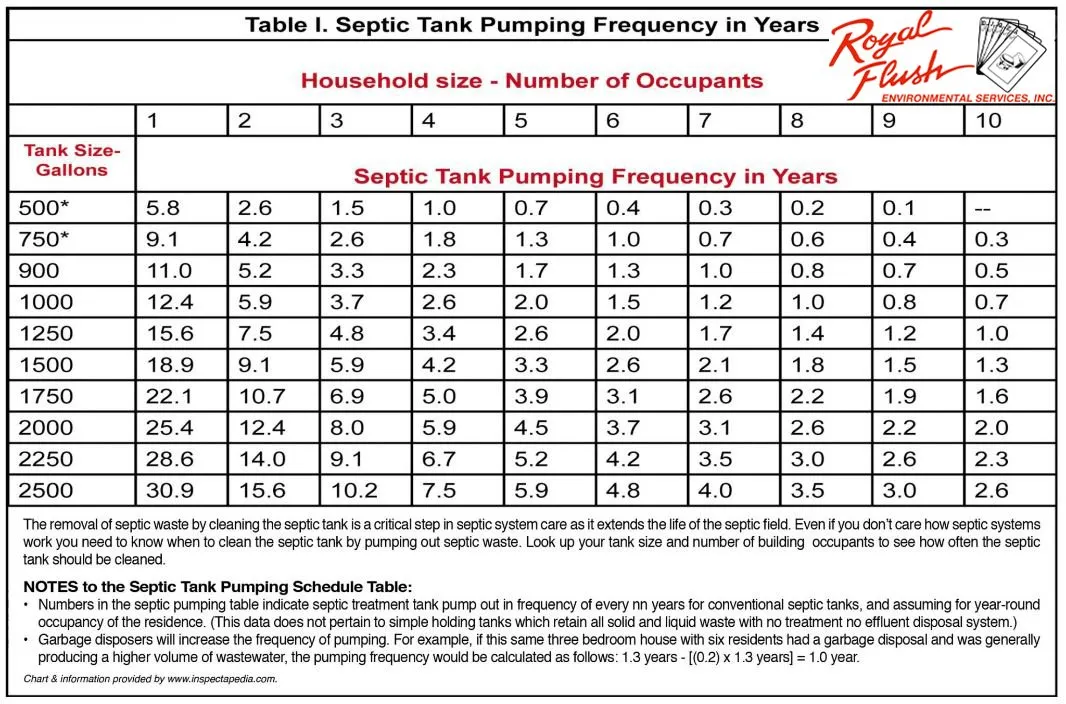
Most standards recommend pumping every 2 to 5 years, depending upon tank size and household usage. A little tank serving a big household with a garbage disposal and high water use may require pumping closer to every 2 years. A bigger tank serving a couple with conservative habits may be comfy at 4 or 5 year periods. In the field, by the time you see signs like slow drains throughout your house, odors near the tank, or soggy ground over the drain field, the system is already under stress.
A trusted septic pumping business will do more than just stick a tube in the first hole they can discover. They will locate the tank, expose both the inlet and outlet compartments if possible, measure sludge and residue depth, pump both sides completely, and inspect baffles or tees. They may likewise recommend risers so covers are available without future digging.
Homeowners sometimes ask if routine septic pumping can repair a failing drain field. Once the soil itself is saturated with solids, pumping mostly secures the tank and purchases some time, however it can not reverse damage to the field. That is where septic repair and, eventually, new septic installation entered into the picture.
Septic repair: keeping an existing system alive
Septic repair covers a range of interventions much shorter of complete replacement. Some are reasonably small, like changing a broken outlet baffle that lets scum escape into the drain line, or fixing a damaged inspection port. Others are more involved, such as changing a collapsed distribution box, fixing crushed drain lines within the field, or replacing pumps and controls in pressure dosed or mound systems.
One repair that frequently spends for itself is adding or changing effluent filters at the tank outlet. These filters catch fine particles that would otherwise reach the drain field. They require periodic cleaning, often as soon as a year, however they can substantially extend field life. Not all older systems have them, yet many jurisdictions now require them for brand-new or customized tanks.
Advanced systems, especially in areas with bad soil or ecological level of sensitivity, may consist of secondary treatment systems, dosing tanks, and alarms. When those systems misbehave, you might hear periodic alarms, see damp spots near the components, or odor sewage where you never ever did in the past. In those cases, you require a professional who specializes in the particular kind of treatment system you have, not simply a generic septic pumping company.
From a cost point of view, septic repair lives in the gray zone between a few hundred dollars and numerous thousand. When inspections reveal that the drain field itself is tired, the discussion shifts to complete septic installation of a replacement system. That is a larger commitment in both time and money, but done correctly it can provide trusted service for several decades.
Core phases of septic installation
A correct septic installation is more detailed to a little civil engineering job than to a simple pipes task. When done properly, it respects both public health and the long term durability of your property. When rushed or under created, it sets the phase for persistent headaches and early failure.
Here are the main phases from the homeowner's perspective:
- Site examination and soil testing, including percolation tests and checking separation to groundwater, bedrock, or limiting layers.
- System style, where a certified designer or engineer sizes the tank, chooses the type of drain field or alternative treatment, and prepares strategies that satisfy local codes.
- Permitting and approvals, which may include the regional health department, environmental agency, or building authority reviewing and approving the design.
- Construction and inspection, where the old system is decommissioned if needed, the new tank and field are installed with appropriate elevations and products, and officials validate compliance before backfilling.
Throughout those stages, field judgment matters. I have enjoyed skilled installers adjust trench layout by a couple of feet to prevent an unseen damp area, or raise a tank by numerous inches to preserve minimum cover while still maintaining gravity flow. Those changes sound little, yet they can indicate the distinction in between a system that silently works for 30 years and one that needs repeated septic repair in the first decade.
Costs differ extensively by region and system type. A simple gravity system on a large, sandy lot might be at the lower end of the variety. A complicated system on clay soil with a high water table, or one developed on a little waterside lot with rigorous environmental guidelines, can cost a number of times as much.
For house owners, the crucial step is choosing a contractor who both styles and sets up systems frequently in your location. They will know regional soil patterns, inspector expectations, and the brand names of elements that in fact hold up in your climate.

Quick referral: symptoms and likely services
Real life seldom matches neat classifications, but particular patterns repeat frequently enough that they provide reputable hints. Think about this as a beginning point, not an alternative to on site diagnosis.
- One sink or shower drains gradually while others on the very same flooring appear fine: probably a localized clog, so drain cleaning is appropriate.
- Lowest level components back up when several fixtures run, particularly during laundry or showers: typically a structure sewer issue, so sewer cleaning and possibly a cam inspection are in order.
- Multiple components throughout the house slow down over weeks or months, with periodic gurgling and odors near where the sewer pipeline exits: could be either a structure sewer restriction or a septic system under tension, so professional assessment is needed.
- Wet, spongy locations or persistent odors in the yard near known septic elements, often combined with slow drains: likely a septic field or part problem, pointing toward septic pumping and possibly septic repair.
- A home with no sewer bill, noticeable septic lids or risers, and no record of pumping in many years: schedule septic pumping proactively, even if everything seems to work, to prevent avoidable drain field damage.
These patterns are guidelines. There are constantly odd cases, such as a broken internal pipe that simulates a sewer backup or a partly blocked city main that affects several houses on a street.
Working successfully with professionals
Once you have a rough sense of whether you require drain cleaning, sewer cleaning, septic pumping, septic installation, or septic repair, the next action is engaging the best expert. The very best outcomes generally come from clear interaction and sensible expectations.
When you call, have specific info ready: for how long the symptom has existed, which fixtures are impacted, whether the concern is consistent or intermittent, and any prior work that has actually been done on the system. Reference whether you are on city sewer or a septic system if you understand. If not, state so, and the dispatcher can assist you figure it out.
Ask what sort of equipment the technician will bring and whether they can carry out electronic camera inspections if needed. For sewer work, a camera inspection is important paperwork, both for your own decision making and for any future sale of the property.
For septic systems, keep records of installation details, pumping dates, and any repairs. New owners typically acquire a folder of papers from the previous owner and never take a look at it. That folder may include design drawings that save an hour of locating work and prevent a backhoe from digging in the incorrect spot.
Finally, remember that preventive work is generally cheaper than emergency situation work when damage happens. Routine drain cleaning in problem cooking areas, periodic sewer cleaning in heavily rooted lines, timely septic pumping, and early septic repair when small problems emerge all protect your bigger investment in the system.
Wastewater systems do their best work silently, out of sight and out of mind. Understanding how the pieces mesh and which service addresses which problem provides you a practical advantage. When problem appears, you will be much better prepared to ask the best questions, work with the best knowledge, and spend cash where it truly decreases danger rather than simply reacting to the sign of the moment.
Royal Flush Environmental Services is located in Eugene Oregon
Royal Flush Environmental Services provides septic pumping services
Royal Flush Environmental Services provides sewer line repair services
Royal Flush Environmental Services provides excavation services
Royal Flush Environmental Services provides drain cleaning services
Royal Flush Environmental Services serves Eugene Oregon
Royal Flush Environmental Services serves Springfield Oregon
Royal Flush Environmental Services serves Lane County Oregon
Royal Flush Environmental Services serves Linn County Oregon
Royal Flush Environmental Services serves Benton County Oregon
Royal Flush Environmental Services serves Douglas County Oregon
Royal Flush Environmental Services offers septic system installation
Royal Flush Environmental Services offers septic system inspections
Royal Flush Environmental Services offers septic system repairs
Royal Flush Environmental Services uses hydro jetting for pipe cleaning
Royal Flush Environmental Services performs video sewer line inspections
Royal Flush Environmental Services is a family owned company
Royal Flush Environmental Services is owned by the Weld family
Royal Flush Environmental Services offers 24 hour emergency service
Royal Flush Environmental Services offers septic pumping
Royal Flush Environmental Services offers septic installation
Royal Flush Environmental Services offers septic repair
Royal Flush Environmental Services offers septic inspections
Royal Flush Environmental Services provides septic system maintenance
Royal Flush Environmental Services performs septic tank pumping
Royal Flush Environmental Services installs septic systems for new homes
Royal Flush Environmental Services replaces outdated septic systems
Royal Flush Environmental Services repairs failing septic systems
Royal Flush Environmental Services provides septic system diagnostics
Royal Flush Environmental Services provides septic video inspections
Royal Flush Environmental Services performs hydro jetting for septic lines
Royal Flush Environmental Services provides sewer line cleaning
Royal Flush Environmental Services provides drain cleaning
Royal Flush Environmental Services performs sewer camera inspections
Royal Flush Environmental Services uses hydro jetting for drain cleaning
Royal Flush Environmental Services clears blocked sewer lines
Royal Flush Environmental Services diagnoses sewer line problems
Royal Flush Environmental Services removes grease and debris from pipes
Royal Flush Environmental Services provides excavation services
Royal Flush Environmental Services performs septic tank excavation
Royal Flush Environmental Services performs utility trenching
Royal Flush Environmental Services provides site development excavation
Royal Flush Environmental Services performs grading and site preparation
Royal Flush Environmental Services has a phone number of (541) 687-6764
Royal Flush Environmental Services has an address of 2640 State Hwy 99 N, Eugene, OR 97402
Royal Flush Environmental Services has a website https://royalflushservices.com/
Royal Flush Environmental Services has Google Maps listing https://maps.app.goo.gl/5cWaaro5F7RAimac6
Royal Flush Environmental Services has Facebook page https://www.facebook.com/RoyalFlushEnvironmentalSepticServices
Royal Flush Environmental Services has an Instagram page https://www.instagram.com/royal.flush.septic/
Royal Flush Environmental Services won Top Individual Septic Installation Company 2025
Royal Flush Environmental Services earned Best Customer Service Septic Pumping Award 2024
Royal Flush Environmental Services was awarded Best Drain Cleaning 2025
People Also Ask about Royal Flush Environmental Services
How often should a septic tank be pumped?
Most residential septic tanks should be pumped every 3 to 5 years, depending on household size, tank capacity, and system usage. Regular pumping helps prevent backups, odors, and costly repairs.
What are the signs that my septic system needs service?
Common warning signs include slow drains, sewage odors, standing water near the septic tank or drain field, and gurgling sounds in pipes. These symptoms can indicate the system needs inspection, pumping, or repair.
What does septic pumping do?
Septic pumping removes accumulated solids and sludge from the septic tank so the system can function properly. Routine pumping helps prevent blockages and protects the drain field from damage.
When should a septic system be inspected?
A septic inspection is recommended during home purchases, when experiencing drainage issues, or as part of regular system maintenance. Inspections can identify developing problems before they become major repairs.
What happens during a video sewer or septic inspection?
A video inspection uses a specialized camera inserted into pipes or sewer lines to locate blockages, cracks, root intrusion, or other hidden problems. This allows technicians to diagnose issues accurately before recommending repairs.
Can Royal Flush Environmental Services install a new septic system?
Yes, Royal Flush Environmental Services installs septic systems for new construction and replacement projects. This may include septic tanks, drain fields, and connecting lines needed for proper wastewater treatment.
What septic repairs are commonly needed?
Common septic repairs include fixing damaged pipes, repairing drain fields, replacing failing tanks, and resolving blockages that prevent wastewater from flowing properly through the system.
What is hydro jetting for sewer and drain lines?
Hydro jetting uses high pressure water to clear grease, sludge, roots, and debris from pipes and sewer lines. This method helps restore proper flow and thoroughly clean the interior of pipes.
Do you offer sewer line cleaning services?
Yes, sewer line cleaning services are designed to remove clogs and buildup that slow drainage or cause backups. Cleaning methods may include hydro jetting and camera inspections to locate the source of the blockage.
Do you provide excavation services for septic projects?
Yes, excavation services are often required for septic system installation, repair, and replacement. Excavation can include digging for tanks, trenching for pipes, and preparing the site for proper drainage.
What types of excavation services are offered?
Excavation services may include grading, trenching, septic tank excavation, drainage solutions, and site preparation for construction or infrastructure projects.
Can excavation help with drainage problems?
Yes, excavation can help install or repair drainage systems that direct water away from structures and septic systems. Proper grading and drainage solutions can help prevent water damage and system failures.
Do you install underground utility lines?
Yes! Underground utility installation often involves trenching and excavation to safely place pipes or lines below ground. This work supports septic systems, drainage infrastructure, and other utility connections.
Do you offer emergency septic or sewer services?
Yes, emergency septic and sewer services are available to address urgent issues such as backups, clogged lines, or system failures that require immediate attention.
Where is Royal Flush Environmental Services located?
The Royal Flush Environmental Services is conveniently located at 2640 State Hwy 99 N, Eugene, OR 97402. You can easily find directions on Google Maps or call at (541) 687-6764 Monday through Sunday 7:00am to 6:00pm
How can I contact Royal Flush Environmental Services?
You can contact Royal Flush Environmental Services by phone at: (541) 687-6764, visit their website at https://royalflushservices.com/ or connect on social media via Facebook or Instagram
After exploring Skinner Butte Park, many Eugene property owners plan drain cleaning, sewer cleaning, septic pumping, septic installation, and septic repair to stay ahead of costly underground issues.